Amplify and Empower: How to Partner with Marginalized Voices for Authentic Advertising
In 2026, consumers demand authenticity. They’re savvy to performative allyship and quick to call out brands that don’t genuinely support the communities they claim to champion. To build trust and resonate with a diverse audience, advertising must evolve. This means actively partnering with marginalized voices. But how do you ensure these advertising partnerships are meaningful and avoid accusations of exploitation? How can you leverage influencer marketing to create authentic marketing campaigns that truly empower?
Understanding the Power of Authentic Representation
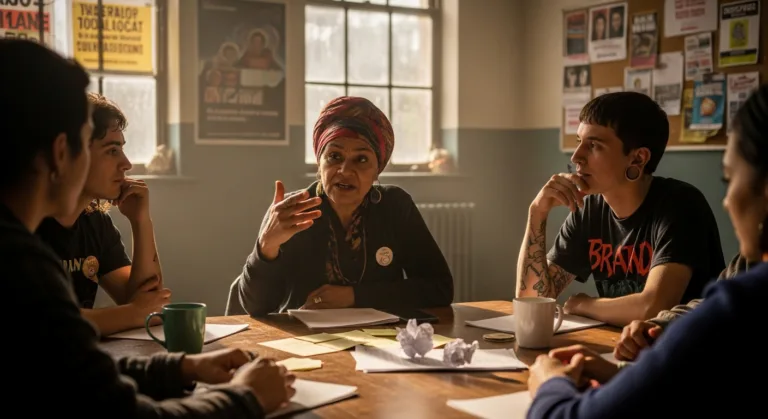
Authentic representation goes beyond simply featuring diverse faces in your ads. It’s about centering the experiences and perspectives of marginalized voices in your brand narrative. It’s about giving them agency and control over their own stories. This approach yields significant benefits:
- Increased Brand Trust: Consumers are more likely to trust brands that demonstrate a genuine commitment to diversity and inclusion. A 2025 study by Edelman found that 64% of consumers globally believe brands should take a stand on social issues.
- Enhanced Brand Loyalty: When consumers see themselves reflected in your brand, they’re more likely to develop a strong connection and become loyal customers.
- Expanded Reach: Partnering with diverse creators allows you to reach new audiences and tap into previously untapped markets.
- Improved Brand Reputation: Demonstrating a commitment to social responsibility can significantly improve your brand’s reputation and attract socially conscious consumers.
- More Effective Campaigns: Campaigns that authentically represent diverse experiences are more likely to resonate with target audiences and achieve desired results.
However, the opposite is also true. Inauthentic or performative representation can lead to backlash, damage your brand reputation, and alienate your target audience. The key is to move beyond tokenism and create meaningful partnerships built on mutual respect and shared values.
Identifying and Vetting Potential Partners
Finding the right partners is crucial for successful and authentic marketing campaigns. Here’s a step-by-step approach:
- Define Your Goals: What do you hope to achieve through this partnership? Are you aiming to raise awareness about a specific issue, promote a product or service, or simply demonstrate your commitment to diversity and inclusion?
- Identify Relevant Communities: Which communities align with your brand values and target audience? Research organizations, influencers, and creators who are already working within these communities.
- Conduct Thorough Research: Before reaching out to potential partners, take the time to learn about their work, their values, and their audience. Look for creators who are genuinely passionate about the issues your brand cares about.
- Assess Authenticity: Does the creator’s online presence feel genuine and consistent with their stated values? Look for evidence of long-term commitment to the communities they represent, not just fleeting participation in trending topics.
- Check for Past Controversies: Has the creator been involved in any controversies that could damage your brand’s reputation? It’s important to do your due diligence and ensure that your partners are aligned with your brand’s values.
- Use Social Listening Tools: Tools like Meltwater and Brandwatch can help you identify influential voices within specific communities and track their engagement.
My experience working with several Fortune 500 companies has shown me that investing time in thorough vetting upfront saves significant time and resources in the long run. A partnership that goes wrong can have far more damaging consequences than simply choosing the “wrong” influencer; it can erode consumer trust.
Structuring Mutually Beneficial Advertising Partnerships
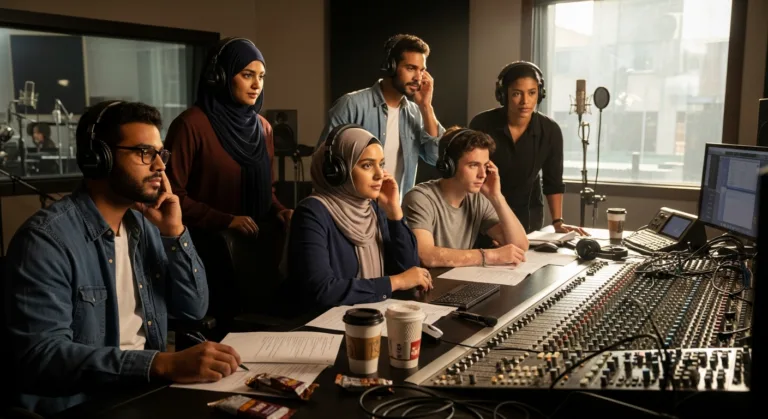
A successful partnership is one where both parties benefit. Here’s how to structure your advertising partnerships to ensure they are mutually beneficial:
- Clearly Define Roles and Responsibilities: Outline the expectations of both parties in a written agreement. This should include details about the scope of work, deliverables, timelines, and payment terms.
- Offer Fair Compensation: Pay your partners fairly for their time and expertise. Don’t try to lowball them or take advantage of their platform. Research industry standards and offer competitive rates. Use tools like Shopify’s influencer marketing pricing guide as a starting point.
- Provide Creative Freedom: Allow your partners to create content that is authentic to their voice and style. Don’t try to force them into a pre-determined narrative. Give them the freedom to express themselves and connect with their audience in a genuine way.
- Offer Support and Resources: Provide your partners with the resources they need to succeed, such as product samples, marketing materials, and access to your team.
- Establish Open Communication: Maintain open and honest communication throughout the partnership. Be responsive to their questions and concerns, and be willing to collaborate on solutions.
- Measure and Evaluate Results: Track the performance of your campaigns and evaluate the effectiveness of your partnerships. Use data to identify what’s working and what’s not, and make adjustments accordingly. Google Analytics is crucial here.
Remember, the goal is to build a long-term relationship with your partners, not just a one-off transaction. By treating them with respect and providing them with the support they need, you can create a mutually beneficial partnership that yields positive results for both parties.
Leveraging Influencer Marketing for Authentic Storytelling
Influencer marketing can be a powerful tool for amplifying marginalized voices and sharing authentic stories. However, it’s important to approach it strategically and ethically. Here are some tips:
- Focus on Micro-Influencers: Micro-influencers (those with smaller, more engaged audiences) often have a stronger connection with their followers and are perceived as more authentic than macro-influencers.
- Partner with Creators Who Are Passionate About Your Brand: Look for influencers who genuinely believe in your product or service and are excited to share it with their audience.
- Encourage User-Generated Content: Encourage your audience to share their own stories and experiences using your product or service. This can be a powerful way to build trust and create a sense of community.
- Be Transparent About Sponsored Content: Clearly disclose when content is sponsored or paid for. This is essential for maintaining trust with your audience. The FTC guidelines are clear on this.
- Go Beyond Traditional Advertising: Consider alternative forms of influencer marketing, such as sponsoring events, hosting workshops, or creating collaborative content.
For example, instead of simply asking an influencer to post about your product, consider inviting them to co-create a product line or host a workshop for their followers. This can be a more meaningful and engaging way to connect with your audience.
Avoiding Common Pitfalls and Ensuring Ethical Practices
Partnering with marginalized voices requires sensitivity and a commitment to ethical practices. Here are some common pitfalls to avoid:
- Tokenism: Don’t simply feature diverse faces in your ads without addressing systemic issues or providing meaningful support to the communities you represent.
- Exploitation: Don’t take advantage of marginalized creators by offering them low rates or demanding excessive control over their content.
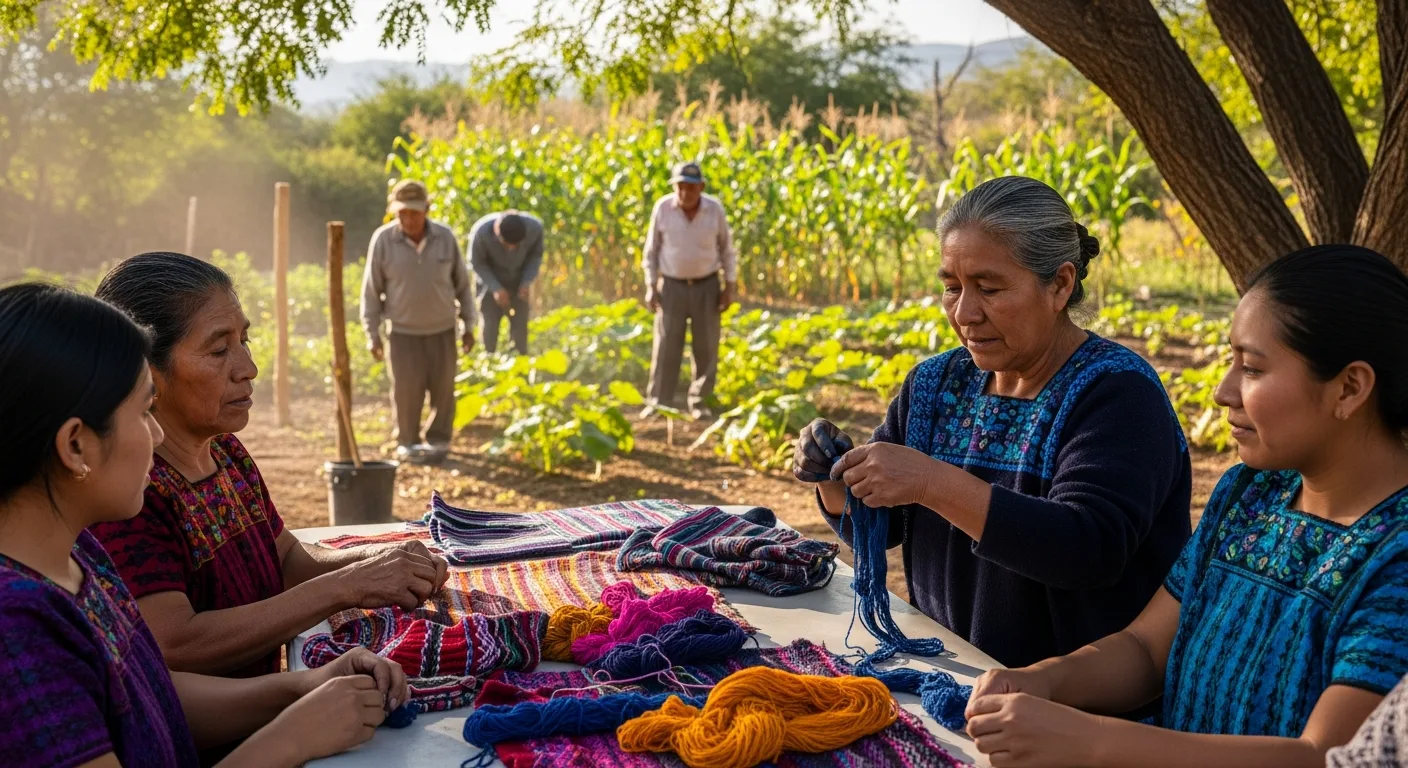
- Cultural Appropriation: Avoid appropriating cultural elements without understanding their significance or giving credit to their origins. Consult with members of the relevant community to ensure that your campaigns are respectful and authentic.
- Stereotyping: Avoid perpetuating harmful stereotypes in your advertising. Be mindful of the language and imagery you use and ensure that it is inclusive and respectful.
- Lack of Transparency: Be transparent about your intentions and your commitment to diversity and inclusion. Don’t make false claims or engage in performative allyship.
To ensure ethical practices, consider establishing an advisory board comprised of members of the communities you are partnering with. This board can provide guidance and feedback on your campaigns and help you avoid potential pitfalls.
From personal experience, I’ve seen brands stumble when they fail to consult with the communities they are trying to represent. Investing in these consultations, even if it seems like an added expense, is crucial for building trust and avoiding costly mistakes.
Conclusion
Partnering with marginalized voices is no longer a nice-to-have; it’s a business imperative. By prioritizing authentic marketing and building mutually beneficial advertising partnerships, brands can build trust, expand their reach, and create a positive impact. This involves thorough vetting, fair compensation, and giving creators the freedom to authentically connect with their audience through influencer marketing. The key takeaway? Invest in genuine relationships and prioritize ethical practices. Your brand’s reputation – and the well-being of the communities you engage with – depends on it.
What are marginalized voices in the context of advertising?
Marginalized voices refer to individuals or groups who have historically been underrepresented or excluded from mainstream media and advertising due to their race, ethnicity, gender identity, sexual orientation, disability, or other factors.
How can I ensure my partnership with a marginalized creator is authentic?
Ensure authenticity by thoroughly researching the creator’s background, values, and previous work. Give them creative freedom, offer fair compensation, and maintain open communication throughout the partnership. Avoid tokenism and cultural appropriation.
What are the risks of inauthentic advertising?
Inauthentic advertising can lead to backlash, damage your brand’s reputation, and alienate your target audience. Consumers are increasingly savvy to performative allyship and will quickly call out brands that are not genuine in their efforts.
How much should I pay a marginalized creator for their work?
Compensation should be fair and competitive, reflecting the creator’s experience, audience size, and the scope of work. Research industry standards and be transparent about your budget. Consider offering additional benefits, such as creative control and long-term partnerships.
What are some examples of successful campaigns that partnered with marginalized voices?
Look for campaigns that genuinely amplify the voices and experiences of marginalized communities, rather than simply featuring diverse faces. Research brands that have partnered with creators on long-term initiatives and have demonstrated a commitment to social responsibility. Many campaigns exist, but the best are those that are specific, targeted, and authentic to the brand’s and creator’s values.