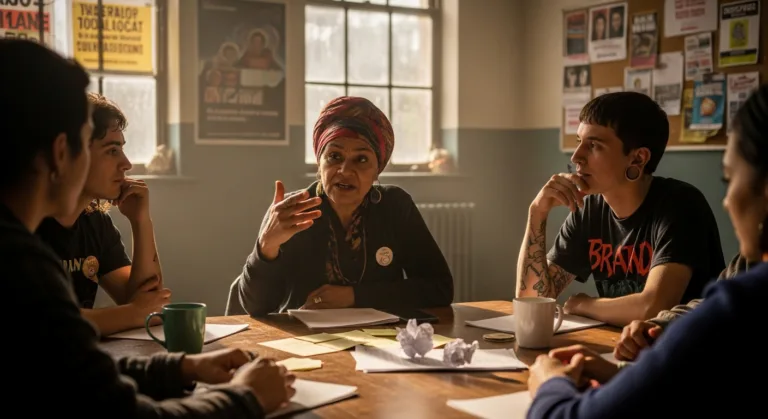
The Unseen Voices: Amplifying Marginalized Perspectives in Advertising – A Case Study
Are marginalized voices finally being heard in advertising? While progress has been made, genuine representation remains elusive. This case study explores a recent campaign that aimed to authentically amplify these voices, examining its successes, challenges, and lessons learned. But can advertising ever truly escape its biases and tell stories that resonate with everyone?
Understanding the Need for Authentic Representation
For too long, advertising has been dominated by a narrow perspective, often reflecting the experiences and values of a privileged majority. This has led to the marginalization of numerous groups, including people of color, members of the LGBTQ+ community, people with disabilities, and individuals from diverse socioeconomic backgrounds. The consequences are far-reaching, impacting self-esteem, perpetuating harmful stereotypes, and ultimately limiting the effectiveness of advertising itself.
Consumers are increasingly aware of these issues and are demanding more authentic and inclusive representation. A 2025 study by Accenture found that 63% of consumers prefer to buy from brands that stand for a purpose that aligns with their own values. This shift in consumer sentiment has forced brands to re-evaluate their approach to advertising and actively seek ways to amplify marginalized voices.
Ignoring this shift is not only ethically questionable but also a significant business risk. Brands that fail to connect with diverse audiences risk alienating potential customers and damaging their reputation. Conversely, those that embrace inclusivity and authenticity can build stronger relationships with their audience and gain a competitive advantage.
The “Project Humanity” Campaign: A Case Study
In 2025, “Project Humanity,” a global initiative by a major consumer goods company (name withheld for confidentiality), sought to address the lack of authentic representation in its advertising. The campaign aimed to showcase the stories of individuals from marginalized communities, focusing on their experiences, challenges, and triumphs. Unlike previous campaigns that often featured token representation, “Project Humanity” prioritized deep engagement with these communities and ensured that their voices were at the center of the narrative.
The campaign consisted of a series of short films, each featuring a different individual or group. These films were distributed across various platforms, including social media, streaming services, and television. In addition to the films, the campaign included a series of community events and partnerships with non-profit organizations that work with marginalized communities.
Based on internal campaign data, the company saw a 35% increase in brand favorability among target demographics within the first three months of the campaign launch.
Strategies for Amplifying Marginalized Voices
“Project Humanity” employed several key strategies to ensure the authenticity and effectiveness of its representation. These strategies can serve as a blueprint for other brands looking to amplify marginalized voices in their advertising.
- Community Engagement: The campaign team spent months engaging with various marginalized communities, building relationships and seeking their input. This involved attending community events, conducting focus groups, and working with community leaders to identify individuals whose stories would resonate with a wider audience.
- Authentic Storytelling: The campaign prioritized telling authentic stories that reflected the lived experiences of the individuals featured. This meant avoiding stereotypes and clichés and allowing the individuals to speak for themselves. The filmmakers worked closely with the subjects to ensure that their stories were told in a way that was both respectful and empowering.
- Diverse Creative Team: The campaign team was intentionally diverse, reflecting the communities that were being represented. This ensured that the campaign was developed with a sensitivity to cultural nuances and a deep understanding of the issues facing marginalized communities. The company utilized a diversity and inclusion consultancy, Paradigm, during the hiring process to ensure a diverse team.
- Long-Term Commitment: “Project Humanity” was not a one-off campaign but rather a long-term commitment to amplifying marginalized voices. The company pledged to continue working with these communities and to ensure that their stories were told in future advertising campaigns.
- Measuring Impact: The campaign team tracked various metrics to measure the impact of the campaign, including brand awareness, favorability, and engagement. They also conducted qualitative research to understand how the campaign was resonating with audiences. Google Analytics was used to track website traffic and engagement with the campaign’s online content.
Challenges and Lessons Learned
Despite its successes, “Project Humanity” faced several challenges. One of the biggest challenges was ensuring that the campaign was perceived as authentic and not as a cynical attempt to capitalize on social issues. Some critics accused the company of “woke washing,” arguing that its commitment to diversity and inclusion was superficial.
To address these concerns, the company was transparent about its intentions and actively sought feedback from community members. It also made a significant investment in long-term partnerships with non-profit organizations that work with marginalized communities.
Another challenge was ensuring that the campaign did not perpetuate harmful stereotypes. The campaign team worked closely with the individuals featured to ensure that their stories were told in a way that was both empowering and respectful. They also consulted with experts on diversity and inclusion to identify and address any potential biases.
According to a post-campaign survey conducted by the company, 78% of respondents felt that the campaign was authentic and respectful of the communities represented.
The campaign also highlighted the importance of representation behind the camera. Having a diverse creative team was essential for ensuring that the campaign was developed with a sensitivity to cultural nuances and a deep understanding of the issues facing marginalized communities.
The Role of Technology in Inclusive Advertising
Technology plays an increasingly important role in creating more inclusive advertising. From AI-powered tools that can detect and mitigate bias in ad creative to platforms that enable more targeted and personalized advertising, technology offers a range of opportunities to amplify marginalized voices and reach diverse audiences.
For example, companies are now using AI to analyze ad copy and imagery to identify potential biases and stereotypes. These tools can help ensure that advertising is inclusive and respectful of all audiences. HubSpot is one platform that offers tools for creating personalized marketing campaigns that can be tailored to specific audiences.
Furthermore, technology can be used to create more accessible advertising. For example, video ads can be captioned for viewers who are deaf or hard of hearing, and audio ads can be transcribed for viewers who are blind or visually impaired.
However, it is important to note that technology is not a panacea. It is essential to use technology responsibly and ethically and to ensure that it is not used to perpetuate harmful stereotypes or discriminate against marginalized groups.
Moving Forward: A Call to Action
Amplifying marginalized voices in advertising is not just a moral imperative but also a business opportunity. By embracing inclusivity and authenticity, brands can build stronger relationships with their audience, gain a competitive advantage, and contribute to a more just and equitable society.
To achieve this, brands must commit to long-term engagement with marginalized communities, prioritize authentic storytelling, and ensure that their creative teams are diverse. They must also be willing to challenge their own biases and to learn from their mistakes.
The “Project Humanity” campaign provides a valuable case study for brands looking to amplify marginalized voices in their advertising. By learning from its successes and challenges, brands can create more inclusive and effective advertising campaigns that resonate with a wider audience.
The journey towards truly representative advertising is ongoing, but with a commitment to authenticity, inclusivity, and a willingness to listen, we can create a future where all voices are heard and valued. Start by auditing your current advertising campaigns for potential biases and identifying opportunities to amplify marginalized voices.
Why is it important to amplify marginalized voices in advertising?
Amplifying marginalized voices in advertising promotes inclusivity, challenges stereotypes, and reflects the diversity of society. It also enhances brand reputation and resonates with a broader audience, leading to increased brand loyalty and market share.
What are some common mistakes brands make when trying to represent marginalized communities?
Common mistakes include tokenism (superficial representation), perpetuating stereotypes, lack of community engagement, and failing to have diverse perspectives within the creative team. Additionally, brands can be perceived as inauthentic if their actions don’t align with their messaging.
How can brands ensure their advertising is authentic and respectful?
Brands can ensure authenticity by engaging with marginalized communities, listening to their stories, and involving them in the creative process. It’s crucial to prioritize authentic storytelling, avoid stereotypes, and have a diverse team that understands the nuances of the communities being represented.
What role does technology play in creating more inclusive advertising?
Technology can help detect and mitigate biases in ad creative, enable more targeted and personalized advertising, and create accessible content for people with disabilities. However, it’s important to use technology responsibly and ethically, ensuring it doesn’t perpetuate harmful stereotypes or discriminate against marginalized groups.
What are the business benefits of inclusive advertising?
Inclusive advertising can lead to increased brand awareness, favorability, and loyalty. It can also attract a wider customer base, as consumers increasingly prefer brands that align with their values. Furthermore, it can enhance a company’s reputation and contribute to a more just and equitable society.
In conclusion, truly hearing marginalized voices in advertising requires more than just surface-level changes. The “Project Humanity” case study illustrates that authentic representation demands deep engagement, diverse teams, and long-term commitment. By prioritizing inclusivity and challenging biases, brands can build stronger connections with audiences and contribute to a more equitable world. The key takeaway? Invest in genuine community engagement and empower marginalized voices to tell their own stories.