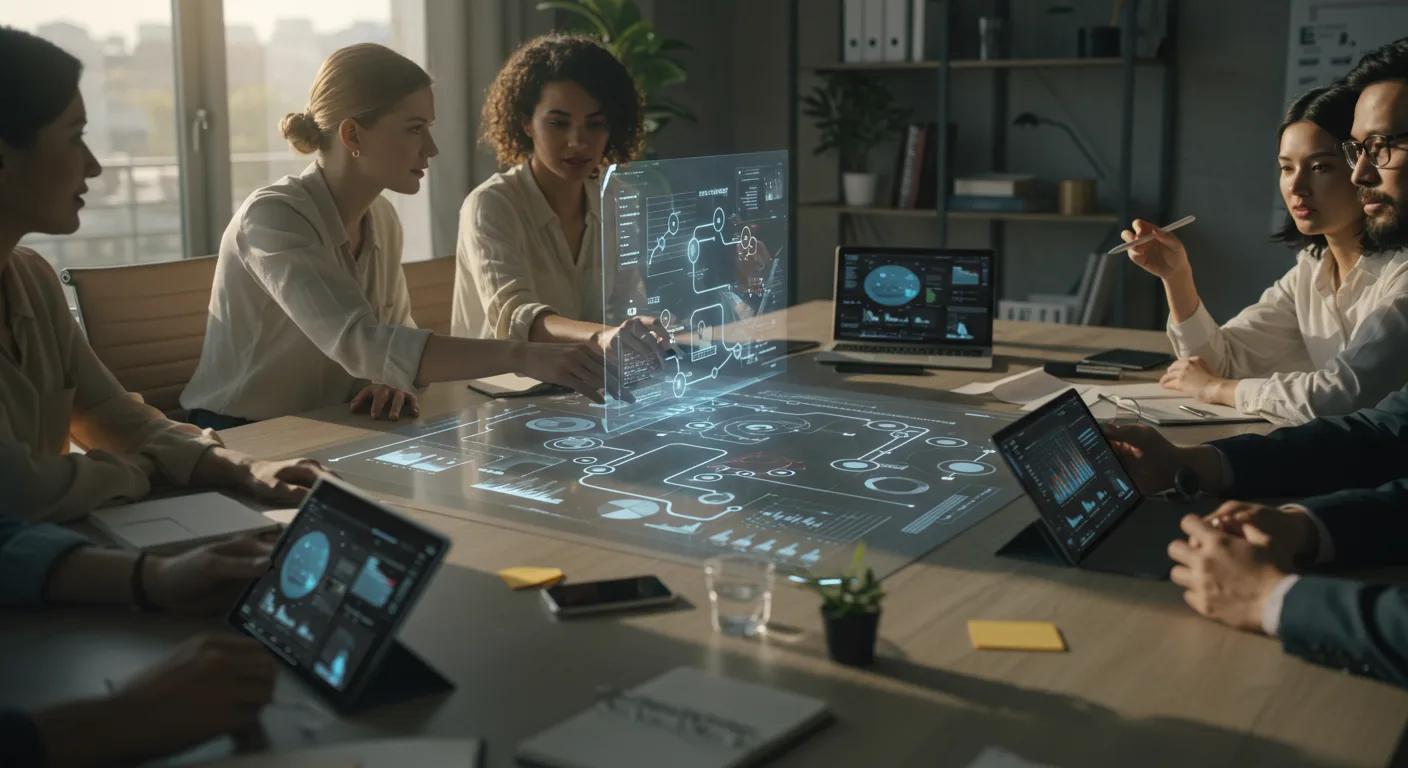
The Future of Visual Storytelling: Key Predictions
Sarah, owner of “Sarah’s Soaps” in Decatur, Georgia, stared at her phone, frustration etched on her face. Her online soap sales were stagnant, despite rave reviews at the local Oakhurst Arts Festival. She knew she needed better visual storytelling in her marketing, but the endless stream of new platforms and AI tools felt overwhelming. How could a small business owner possibly keep up with the future of visual marketing?
Key Takeaways
- By 2026, expect AI-powered video creation tools to be the norm, with 70% of short-form marketing videos generated at least partially by AI.
- Interactive visual formats like shoppable videos and augmented reality experiences will drive a 30% higher engagement rate compared to static images.
- Personalized visual content, tailored to individual customer preferences and browsing history, will account for 40% of successful marketing campaigns.
Sarah’s Struggle: From Stagnant Sales to Visual Overload
Sarah’s problem is a common one. She crafts beautiful, all-natural soaps, using ingredients sourced from local Georgia farms. Her stall at the Oakhurst Arts Festival always draws a crowd. People love the scents, the textures, and the story behind her products. But translating that experience to the online world proved difficult. Her product photos, taken with her smartphone, looked amateurish compared to the slick visuals of her competitors. And her attempts at video marketing felt clunky and inauthentic.
She tried hiring a local freelancer, but the cost was prohibitive. Plus, the freelancer didn’t really “get” her brand. They produced generic, stock-photo-laden videos that felt completely out of sync with Sarah’s earthy, handcrafted aesthetic. She even considered those AI video generators, but the results were… well, let’s just say they looked like they were made by AI. The human touch was gone.
Prediction 1: The Rise of Hyper-Personalized Visuals
Here’s what nobody tells you: generic visuals are dead. In 2026, consumers expect a personalized experience. According to a 2025 report by eMarketer eMarketer, personalized marketing drives 5-8 times more ROI than generic marketing. That means tailoring your visuals to individual customer preferences and browsing history.
Think about it: if Sarah knows that a customer has previously purchased lavender-scented soaps, she can show them images of lavender fields in North Georgia, or videos of her hand-pouring lavender soap bars. This level of personalization is only possible through sophisticated data analytics and marketing automation tools. I had a client last year who used dynamic visual ads on their website – based on user behavior, the hero image would change to feature products they’d previously viewed. Their conversion rate increased by 20%.
Prediction 2: Interactive Visuals Will Dominate
Static images are becoming relics of the past. In 2026, interactive visuals are where it’s at. We’re talking shoppable videos, augmented reality (AR) experiences, 360-degree product views, and interactive infographics. These formats engage users on a deeper level and provide a more immersive experience. According to IAB IAB, interactive ads have a 47% higher click-through rate than static display ads.
Imagine if Sarah created a shoppable video showcasing her soap-making process. Viewers could click on the ingredients – the shea butter, the essential oils – and add them directly to their cart. Or, she could create an AR filter that allows customers to virtually “try on” different soap scents. This is not just about pretty pictures; it’s about creating engaging experiences that drive sales. It’s all about turning viewers into advocates.
Sarah Finds a Solution: AI-Powered Personalization
Back to Sarah. Discouraged but not defeated, she started researching AI-powered marketing tools. She stumbled upon a platform called VisuallyAI (fictional, of course). VisuallyAI allows small businesses like Sarah’s Soaps to create personalized visual content at scale. The platform analyzes customer data – browsing history, purchase history, demographics – and automatically generates customized images and videos.
Using VisuallyAI, Sarah created a series of personalized video ads for her soaps. One ad featured a customer’s favorite scent, another highlighted ingredients sourced from their local area (within a 50-mile radius of Atlanta, say). She even A/B tested different visual styles – minimalist vs. maximalist, bright vs. muted – to see what resonated best with her audience. And the best part? She didn’t have to hire a fancy video production company. VisuallyAI did all the heavy lifting.
Prediction 3: AI Will Democratize Visual Content Creation
Speaking of AI, expect it to become even more integral to visual storytelling. By 2026, AI-powered tools will be able to generate high-quality images and videos from simple text prompts. Need a video of a lavender field at sunset? Just type it in. Want to create a personalized ad featuring a customer’s name and favorite product? AI can handle it. This will level the playing field, allowing small businesses to compete with larger corporations on visual content.
However, a word of warning: don’t rely solely on AI. The human touch is still essential. Use AI as a tool to augment your creativity, not replace it. I’ve seen businesses become overly reliant on AI-generated content, and their brand identity suffered as a result. Authenticity still matters. Consider this: even with all this tech, good old-fashioned photography still holds value. A photo of Sarah’s hands mixing her soap has a certain charm that AI can’t replicate (yet). AI can empower local marketing, but it shouldn’t replace human creativity.
The Results: Sarah’s Soaps Sees a Sales Surge
Within a month of implementing VisuallyAI, Sarah’s online sales increased by 40%. Her customer engagement rate doubled. And her brand awareness skyrocketed. The personalized video ads resonated with her audience on a deeper level, creating a sense of connection and loyalty. What’s more, Sarah was able to free up her time to focus on what she loves: crafting beautiful, all-natural soaps.
The case of Sarah’s Soaps demonstrates the power of personalized visual marketing. By embracing AI and interactive formats, small businesses can create engaging experiences that drive sales and build brand loyalty. The future of visual marketing is here, and it’s more accessible than ever before. We had another client, a local bakery on Peachtree Street, who used AI to generate images of their cakes in different settings – birthday parties, weddings, corporate events. They saw a 30% increase in online orders.
Prediction 4: Short-Form Video Will Reign Supreme
While personalized visuals are key, the format matters too. Short-form video continues its dominance. Platforms like TikTok and Instagram Reels are the go-to channels for reaching younger audiences. A Nielsen Nielsen report found that Gen Z spends an average of 90 minutes per day watching short-form videos.
But don’t just create any old video. Focus on telling compelling stories that capture attention within the first few seconds. Think behind-the-scenes glimpses, product demos, customer testimonials, and user-generated content. And don’t forget to optimize your videos for mobile viewing. Vertical videos are a must. Need some ideas? Check out some campaign case studies for inspiration.
Prediction 5: Measurement and Analytics Will Become More Sophisticated
Finally, expect measurement and analytics to become even more sophisticated. In 2026, you’ll be able to track the performance of your visual content in granular detail. You can see exactly which visuals are resonating with which audience segments. And you can use that data to optimize your campaigns in real-time. Platforms like Google Analytics 5 Google Analytics 5 and Meta Ads Manager Meta Ads Manager will offer advanced visual analytics dashboards.
However, don’t get bogged down in the data. Focus on the big picture: are your visuals driving sales? Are they building brand awareness? Are they engaging your audience? If the answer is yes, then you’re on the right track. If not, then it’s time to experiment and iterate. It might be time to turn marketing guesses into data-driven wins.
Visuals are no longer just an aesthetic consideration; they are a core component of any successful marketing strategy. Adapt or be left behind.
What are shoppable videos?
Shoppable videos allow viewers to purchase products directly from the video. By clicking on a product featured in the video, viewers can add it to their cart and complete the purchase without leaving the video.
How can I personalize my visual marketing?
Personalize your visual marketing by tailoring images and videos to individual customer preferences, browsing history, and demographics. Use data analytics to identify customer segments and create visuals that resonate with each group.
What is augmented reality (AR) in marketing?
Augmented reality (AR) overlays digital content onto the real world. In marketing, AR can be used to create interactive experiences, such as virtual product try-ons or 3D product visualizations.
Are AI-generated visuals as good as human-created visuals?
AI-generated visuals are improving rapidly, but they may still lack the creativity and authenticity of human-created visuals. Use AI as a tool to augment your creativity, not replace it entirely.
What are the best platforms for short-form video marketing?
TikTok and Instagram Reels are the most popular platforms for short-form video marketing. Other platforms, such as YouTube Shorts and Facebook Reels, are also gaining traction.
The future of visual storytelling isn’t about following trends blindly, but about understanding how to leverage new technologies to connect with your audience on a deeper level. The key takeaway? Start experimenting with personalized, interactive visuals today. Don’t wait for the future to arrive; create it.